

In the meantime, recycling initiatives repurpose old cells by recovering nickel, cobalt, and lithium. Additional options include cell-level repairs from independent stores and remanufactured packs. You have choices when a pack does eventually fade. Battery circular economies are expanding rapidly. Real-world examples abound. The cost of replacements has steadily decreased. Battery technology is also constantly evolving. There is also the matter of parking.
What was a problem ten years ago is frequently no longer a problem. Your vehicle is not brittle. It is designed to withstand all types of weather, from mountain snow to the scorching desert. EVs are surprisingly well-sealed. What about flooding and storms? A sudden downpour or a splash from a passing truck is unlikely to cause problems, but it is never advisable for any vehicle to drive through a deep puddle. A further layer of security is provided by the high-voltage system's safeguards, which shut everything down in the event of an anomaly.
Lightning is a different story, but there's no need to panic because you're safer in a wheeled metal cage than under a tree. There are stringent ratings that attest to the battery enclosure's ability to keep water out. A typical electric car loses about two to three percent of its capacity per year. A pack's rate of aging is influenced by several factors. But the most important factor is how you charge and drive. Wear can also be accelerated by frequent fast charging, but this is carefully managed by modern software.
The climate is a factor. The battery's life can be greatly increased by keeping it between twenty and eighty percent for daily use rather than constantly filling it to the brim or running it to zero. If you have a home charger and have a short daily commute, set your limit at 80 or 90 percent out of habit rather than fear. If your car lets you set a charging limit, it's a convenience, toyota hybrid batteries not a strict requirement for survival. That is a sensible, low-effort approach that is consistent with how the majority of people drive.
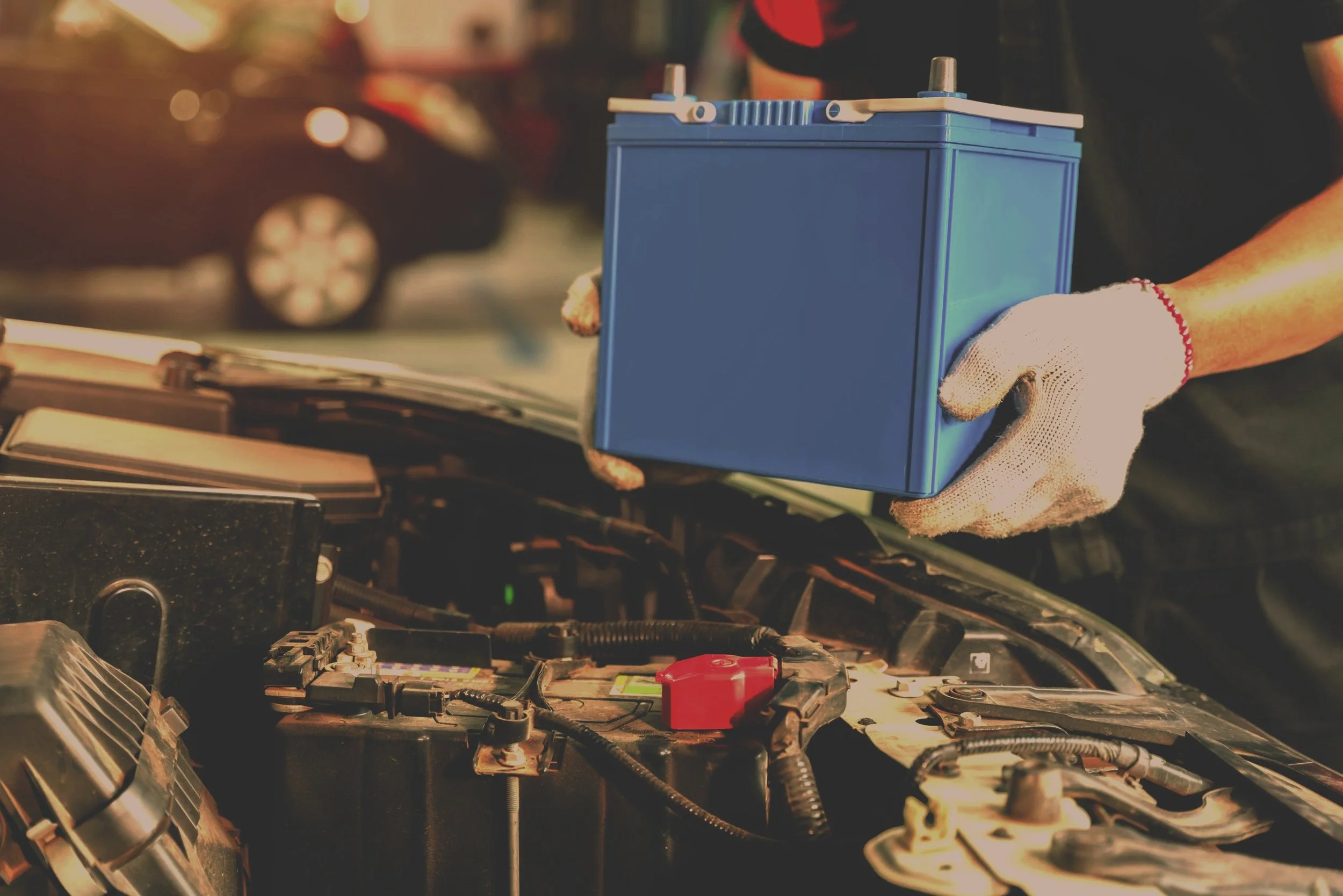 Enjoy the drive after filling up the battery. However, don't be afraid to use a fast charger if you happen to forget one day or if you're traveling and need it constantly. You don't need to take care of this delicate device. Depth of discharge - how much you drain before recharging - plays a bigger role than the top end. When fuel savings and maintenance requirements are taken into account, many owners discover that the total lifetime cost of owning an electric vehicle is comparable to or even less than that of traditional gasoline cars.